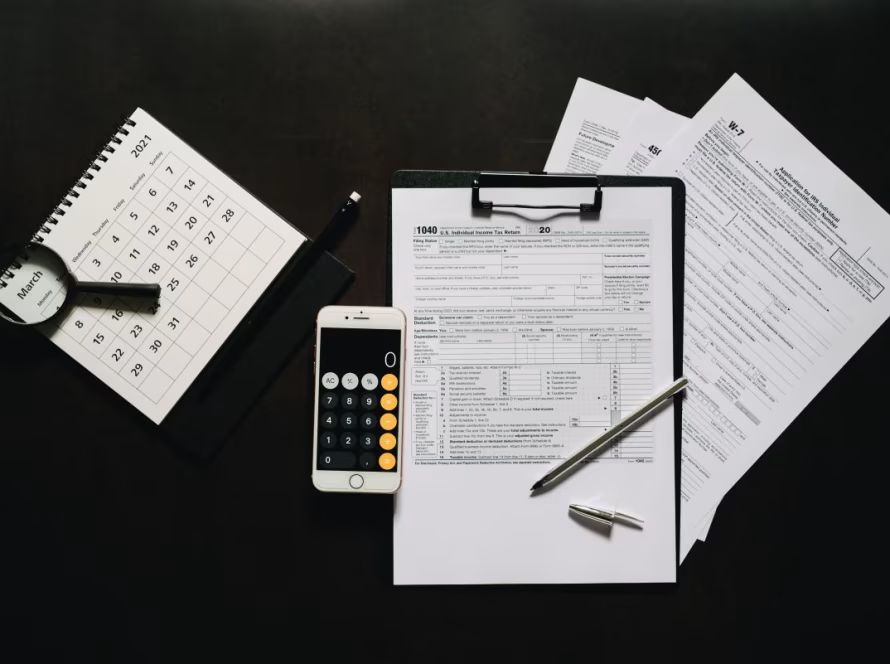

Tax Preparation vs. Tax Planning: What Philadelphia Small Businesses Need
For small business owners, managing taxes involves more than filing returns before a deadline. It also means making financial decisions throughout the year that can affect tax liabilities, cash flow, and business growth. While tax preparation and tax planning are closely related, they serve different purposes.
Tax preparation focuses on organizing financial information, calculating tax obligations, and filing accurate returns. Tax planning takes a proactive approach by evaluating business finances and identifying opportunities to manage future tax liabilities within applicable tax laws.
Understanding the difference can help business owners avoid last-minute surprises, maintain better financial records, and make more informed decisions. Whether you operate a professional services firm, retail business, construction company, or another small business in Philadelphia, knowing when you need each service can strengthen your overall financial strategy.
What Is Tax Preparation?
Tax preparation is the process of gathering financial records, reviewing income and expenses, determining applicable deductions and credits, completing required tax forms, and filing returns with the appropriate tax authorities.
For a small business, this process may involve reviewing profit and loss statements, bank records, payroll information, receipts, business expenses, and details about equipment or other assets. The specific requirements depend on the business structure and the taxes it must file.
Professional business tax preparation services in Philadelphia can help business owners organize these records, identify missing information, and prepare returns in accordance with applicable federal, Pennsylvania, and local requirements.
Key Responsibilities of Tax Preparation
Tax preparation generally includes reviewing financial documents, checking income and expense classifications, calculating taxable income, preparing required returns, and submitting filings by the relevant deadlines. A tax professional may also help identify eligible deductions and credits supported by the business’s records.
Accurate preparation is important because incomplete records or incorrect reporting can lead to amended returns, additional tax liabilities, or potential penalties. Working with an experienced professional can help businesses approach filing with greater confidence.
However, tax preparation is primarily concerned with reporting financial activity and meeting filing obligations. Although the process may uncover potential savings, it does not automatically provide a comprehensive strategy for future tax decisions.
What Is Tax Planning?
Tax planning is an ongoing process that examines a business’s financial position and considers how upcoming decisions may affect its tax obligations. Rather than waiting until filing season, business owners and tax professionals review expected income, expenses, investments, and other financial changes throughout the year.
A tax planning strategy might evaluate the timing of an equipment purchase, the tax implications of hiring employees, projected business income, estimated tax payments, or the effects of changing the business structure. Any strategy must be appropriate for the company’s circumstances and comply with current tax laws.
A small business tax accountant in Philadelphia can help owners evaluate these decisions before taking action. This allows the business to consider potential tax consequences alongside its operational needs and long-term goals.
Key Responsibilities of Tax Planning
Tax planning may include estimating future tax liabilities, reviewing potential deductions and credits, evaluating asset purchases and depreciation, planning estimated payments, and considering the tax implications of business expansion or restructuring.
For example, a business considering new equipment may need to evaluate its cash position, expected business use, depreciation rules, and available tax treatment before deciding when to make the purchase. A tax professional can help assess the relevant factors rather than relying on assumptions about which option will produce the greatest tax benefit.
The purpose of tax planning is not simply to pay less tax. It is to help the business make informed financial decisions while meeting its legal obligations.
Tax Preparation vs. Tax Planning: The Main Differences
Although the two services complement each other, their timing and objectives differ.
| Tax Preparation | Tax Planning |
|---|---|
| Focuses on reporting financial activity and filing returns | Focuses on future decisions and potential tax outcomes |
| Primarily uses completed financial records | Uses current records, projections, and anticipated changes |
| Helps meet filing and reporting obligations | Helps evaluate tax implications before decisions are made |
| Often involves annual or periodic filing deadlines | Benefits from reviews throughout the year |
| Identifies deductions and credits applicable to reported activity | Evaluates strategies that may affect future tax liabilities |
For most small businesses, neither service replaces the other. Tax preparation helps ensure that required returns are completed properly, while tax planning helps business owners understand how current decisions may influence future tax obligations.
Why Philadelphia Small Businesses Need Both Services
Small businesses often operate with limited administrative resources. Owners may be responsible for sales, staffing, customer service, budgeting, and financial management at the same time. Without a structured approach to taxes, important details can be overlooked until a deadline approaches.
Using both tax preparation and tax planning helps connect daily financial activity with longer-term business goals.
1. Better Cash Flow Management
Tax obligations can affect the amount of cash available for payroll, inventory, rent, equipment, and other operating expenses. Tax planning helps business owners estimate potential liabilities and prepare for upcoming payments.
Regular financial reviews can also help identify periods when cash flow may be tight. With a clearer understanding of expected obligations, owners can plan spending and maintain more appropriate cash reserves.
2. More Organized Financial Records
Reliable tax preparation depends on complete and accurate bookkeeping. When income, expenses, payroll, and supporting documents are organized throughout the year, preparing returns becomes more manageable.
Businesses that maintain consistent records can also benefit from more meaningful tax planning. Accurate financial statements provide a stronger foundation for estimating income, evaluating expenses, and considering future decisions.
3. Greater Awareness of Deductions and Credits
Eligible business deductions and tax credits depend on several factors, including the nature of the expense, the business structure, documentation, and applicable tax rules.
A tax professional can review the business’s financial records to identify potential opportunities and determine whether the requirements are met. Planning may also help businesses maintain the documentation needed to support eligible claims.
The important point is that tax savings should be based on legitimate opportunities and reliable records, not on assumptions or last-minute adjustments.
4. Fewer Last-Minute Surprises
Waiting until filing season to review an entire year’s financial activity can make it harder to correct errors or prepare for an unexpected tax bill.
Regular planning reviews can help identify missing records, changing income patterns, and potential estimated payment issues earlier. This gives business owners more time to address concerns and discuss available options with their tax professional.
5. More Informed Business Decisions
Decisions about hiring, buying equipment, expanding operations, or changing a business structure can have financial and tax consequences.
Tax planning helps owners evaluate those consequences before committing to a decision. Combined with accurate tax preparation and bookkeeping, it provides a more complete picture of the business’s financial position.
Common Tax Mistakes Small Businesses Can Avoid
One common mistake is treating taxes as an annual task rather than an ongoing responsibility. When records are not maintained regularly, owners may struggle to identify expenses, substantiate deductions, or estimate their obligations accurately.
Another mistake is assuming that every business expense is deductible in full. Tax treatment depends on the applicable rules, the purpose of the expense, and the circumstances surrounding the transaction. Professional review can help clarify how different expenses should be handled.
Business owners may also overlook estimated tax payments or fail to revisit their tax approach after a significant change in income. Growth, new employees, major purchases, and changes in business operations can all affect tax planning needs.
Finally, some owners rely exclusively on software or general online advice without considering their individual circumstances. Accounting tools can support recordkeeping, but they do not eliminate the need to verify information and seek professional guidance when a situation is complex.
When Should You Hire a Small Business Tax Accountant in Philadelphia?
The right time to seek professional tax support is before a problem develops. A tax accountant may be particularly helpful when you are starting a business, experiencing significant revenue changes, hiring employees, purchasing major assets, expanding into new locations, or considering a change in business structure.
Professional guidance can also be valuable if your business has multiple sources of income, operates across state lines, has complicated expense records, or needs help understanding prior tax filings.
Even if your business is relatively small, regular consultations can help you understand filing responsibilities and prepare for future obligations. The scope of support should reflect your business’s size, complexity, and financial goals.
How to Choose the Right Tax Support for Your Business
When comparing providers of small business tax preparation in Philadelphia, look beyond the cost of filing a return. Consider whether the provider understands your type of business, communicates clearly, explains its process, and offers the level of year-round support you need.
Ask how financial documents are reviewed, how missing information is handled, and whether tax planning is available alongside preparation. You should also understand who will be responsible for your filings and how questions will be addressed during the year.
A good tax professional should help you understand your obligations rather than simply collect documents and deliver completed forms. The aim is to establish a reliable relationship that supports accurate reporting, practical planning, and better financial decisions as your business evolves.
Frequently Asked Questions
Is tax planning the same as tax preparation?
No. Tax preparation focuses on reviewing financial information and completing required tax returns. Tax planning looks ahead to evaluate how business decisions may affect future tax liabilities. Both services work together to support responsible tax management.
When should a small business start tax planning?
Tax planning is most useful throughout the year, especially before major financial decisions. Reviewing financial performance regularly can help business owners prepare for estimated payments, evaluate potential deductions, and address changes before filing deadlines.
Can tax planning help reduce business taxes?
Tax planning may identify legitimate deductions, credits, and other strategies that could reduce tax liabilities. The available options depend on the business’s circumstances and current tax laws. No particular level of savings is guaranteed.
Do small businesses in Philadelphia have local tax obligations?
Depending on their activities and circumstances, Philadelphia businesses may have city tax and registration obligations in addition to applicable Pennsylvania and federal requirements. Owners should confirm which rules apply to their business and seek professional guidance when necessary.
Can one accountant handle both tax preparation and planning?
Yes. Many accounting firms provide both services, allowing the same professional team to use current financial records to prepare returns and help plan for future tax obligations. Ask the provider which services are included in its engagement.
Take Action on Year-End Tax Planning With Doherty & Associates
The months leading up to December are an important time for small businesses to review their finances and plan for year-end taxes. Waiting until tax season may limit the opportunities to evaluate potential deductions, review estimated tax payments, and make informed financial decisions before the year closes.
Now is the time to start your year-end tax planning. Doherty & Associates works with small businesses in Philadelphia to assess their financial position, identify potential tax-saving opportunities, and develop strategies aligned with their business goals and applicable tax laws. Our team can help you prepare for year-end with greater clarity and confidence.
Don’t wait until tax filing season to think about your taxes. Contact Doherty & Associates today to schedule a tax planning consultation and take proactive steps toward managing your business’s tax obligations before December 31.